
Why Your Basement Smells Musty and How to Eliminate Moisture and Mold for Good
Erie, United States – July 10, 2026 / ARK Basement Services /
By Mike Perry, ARK Basement Services
A musty odour in a basement signals excess moisture and likely mold growth. These smells commonly originate from multiple sources of humidity. Identifying the factors that produce these odours is essential to prevent recurrence and to select effective remedies. This article outlines the main causes of basement odours, the role of humidity and mold, practical remediation methods, and long-term measures to protect indoor air quality. Early recognition of moisture indicators enables homeowners to address root causes before problems worsen.
The sections that follow describe common signs of humidity, typical moisture sources, the effects of mold odours and practical strategies to manage basement humidity.
Key Takeaways
- A musty basement smell typically indicates excessive humidity and potential mold growth requiring prompt attention.
- Common moisture sources include groundwater seepage, plumbing leaks, condensation, and poor drainage systems.
- Mold releases spores and VOCs that cause odors and pose health risks like allergies and respiratory issues.
- Foundation cracks and crawl space moisture significantly contribute to basement humidity and musty odors.
- Effective solutions include dehumidification, improved ventilation, waterproofing, and professional foundation repairs.
- Regular inspections and maintenance prevent moisture accumulation and mitigate mold-related odor problems.
- Crawl space encapsulation helps block humidity migration, reducing basement moisture and associated smells.
- Mechanical and natural ventilation methods enhance airflow to control humidity and eliminate musty odors.
- Persistent odors or visible mold indicate the need for professional assessment and remediation services.
Identifying Basement Humidity Issues:
 Detecting humidity problems requires attention to both visible signs and likely moisture sources. Homeowners should monitor indicators regularly to address issues promptly and limit conditions that produce musty odours.
Signs of Humidity:
Common indicators include persistent damp patches on walls or floors, especially in corners; condensation on windows and doors; and air that smells stale or musty. These signs point to moisture accumulation and warrant immediate investigation to prevent mold growth.
Sources of Moisture:
Moisture intrusion often stems from condensation caused by temperature differentials, groundwater seeping through porous materials or foundation joints, and inadequate exterior drainage. Each source can elevate indoor humidity and should be addressed according to its origin.
Musty Smell:
A persistent musty scent typically reflects trapped moisture and active microbial growth. Early recognition of that scent helps prevent wider mold development and reduces potential health and property impacts by prompting corrective action.
Role of Mold Odors:
Mold thrives in damp conditions and emits spores and volatile organic compounds that create musty odours. These emissions both signal humidity issues and present health concerns, including allergic responses and respiratory irritation. Controlling moisture levels is therefore central to eliminating odours and reducing health risks.
Effective Methods to Address These Problems:
Effective remediation focuses on reducing humidity and removing conditions that support mold. Key strategies include targeted dehumidification, improved ventilation, and consistent maintenance to prevent moisture recurrence.
For homeowners seeking reliable solutions to moisture control, Ark Basement Services specialises in basement, crawl space, and foundation solutions primarily focused on moisture control and humidity management. Their offerings include professional basement waterproofing and structural repair services that can significantly reduce humidity and odor issues.
What Are the Primary Sources of Basement Humidity Causing Musty Odors?
Basement humidity most often results from excess water entering the space or from internal moisture generation combined with poor removal. Identifying whether the issue is internal, like plumbing leaks, or external, like groundwater, directs the appropriate corrective measures.
How Does Groundwater Infiltration Lead to Basement Moisture?
Groundwater can enter through foundation cracks, joints or porous concrete when water table levels rise or when drainage fails. Properties in areas with a high water table are particularly vulnerable; in such cases, ongoing monitoring and targeted drainage or waterproofing measures are advisable.
What Role Do Plumbing Leaks Play in Generating Moisture Problems?
Plumbing leaks introduce constant moisture that raises ambient humidity and creates conditions favourable to mold. Prompt detection and repair of leaks, combined with drying and dehumidification, limit damage and reduce odour risks.
How Does Mold and Mildew Development Cause Basement Musty Smell?
Mold and mildew colonise damp materials and release spores and VOCs that produce the characteristic musty scent. Consistent moisture control and remediation of affected materials help prevent persistent odours and restore acceptable indoor air quality.
What Are the Health Implications of Mold Growth in Basements?
Mold exposure can provoke allergic reactions, exacerbate asthma and cause other respiratory symptoms, particularly in sensitive individuals. Maintaining low humidity and addressing mold promptly protects occupants and reduces long-term health risks.
Which Mold Types Are Most Common in Moist Basement Environments?
Numerous mold types can flourish in damp basements, with common varieties including:
- Aspergillus: Frequently found in indoor environments, can trigger various health issues.
- Cladosporium: Characterized by its dark green color, it thrives on wet surfaces and can provoke allergies.
- Stachybotrys (Black Mold): Known for its harmful effects, it requires immediate attention for remediation.
Recognising these common species assists in prioritising remediation and humidity-control measures to prevent toxic or extensive growth.
How Do Structural Issues Like Foundation Cracks Contribute to Musty Basement Odors?
Foundation cracks and other structural defects permit water entry and elevate interior moisture levels. Early detection and appropriate structural repairs reduce the risk of persistent humidity and associated odours.
In What Ways Do Foundation Cracks Facilitate Water Intrusion?
Cracks can form from soil movement, thermal stress or construction deficiencies and provide pathways for rain or groundwater to enter the foundation. Addressing these breaches with professional foundation repair prevents further moisture ingress and protects indoor air quality.
How Does Crawl Space Moisture Influence Basement Odor Problems?
Humidity from an unmanaged crawl space can migrate into the basement, raising overall moisture levels and fostering musty odours. Encapsulation and proper ventilation of the crawl space limit moisture transfer and improve conditions below the primary living areas.
What Are Effective Basement Ventilation and Humidity Control Solutions?
Effective control combines moisture removal and increased air exchange. Recommended strategies include mechanical dehumidification, improved airflow and routine servicing of ventilation equipment to maintain stable humidity.
- Dehumidification: Utilizing dehumidifiers to maintain optimal humidity levels.
- Increased Airflow: Ensuring effective ventilation through strategic window placement and mechanical systems.
- Routine Maintenance: Regular checks and upkeep of any ventilation systems in place.
Implementing these practices reduces persistent dampness and helps eliminate musty odours over time.
How Do Dehumidifiers Improve Basement Air Quality and Reduce Odors?
Dehumidifiers remove excess moisture from the air, lowering relative humidity and reducing the conditions that support mold growth. Continuous use of a correctly sized unit improves air quality and helps prevent recurrence of odours. Homeowners can achieve measurable results with quality dehumidifiers.
What Basement Ventilation Methods Help Prevent Musty Smells?
Ventilation strategies include:
- Mechanical Ventilation Systems: Employing exhaust fans to facilitate air exchange.
- Natural Ventilation: Utilizing existing openings to enhance airflow.
- Air Circulation Systems: Installing ceiling fans or other circulatory systems that promote air movement.
Improving air movement reduces stagnant, humid pockets and helps maintain a fresher basement environment.
When Are Professional Repairs Necessary to Eliminate Musty Smells?
Certain indicators point to the need for professional intervention, such as persistent odours that resist DIY measures, visible mold colonisation, or significant structural defects. Expert assessment ensures that underlying causes are identified and corrected.
- Persistent musty odors: If smells continue despite DIY efforts.
- Visible mold growth: Indicating moisture levels are beyond manageable limits.
- Major structural issues: Cracks or instability demanding expert evaluation.
Engaging qualified professionals delivers durable repairs and documented results that protect both health and property value.
What Basement Waterproofing Solutions Address Moisture and Odor Issues?
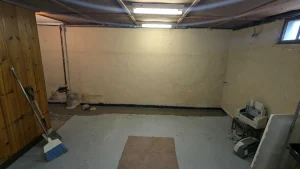 Effective waterproofing reduces water entry and the resulting humidity. Typical options include interior sealants, exterior drainage installations and mechanical systems that actively remove collected water.
- Interior Sealants: Applied on walls to block moisture.
- Exterior Drainage Systems: To divert water away from foundations.
- Sump Pumps: Actively removing water collection to keep basements dry.
Investing in these measures yields long-term reductions in moisture levels and supports an odour-free environment.
How Does Foundation Repair Contribute to Long-Term Odor Prevention?
Correcting structural faults prevents pathways for water intrusion and stabilises humidity over time. By addressing foundation issues, homeowners reduce the conditions that permit mold, thereby improving air quality and the longevity of the repair.
What Preventative Measures Ensure Long-Term Protection Against Musty Basement Smells?
Adopting routine maintenance and monitoring practices limits the likelihood of recurring moisture problems. Preventative steps reduce repair costs and maintain healthier indoor conditions.
- Leak sources: Immediate repairs can prevent moisture accumulation.
- Routine cleaning: Maintaining a clean space deters mold and bacteria growth.
- Seasonal inspections: Identifying and addressing potential problems before they escalate.
These measures help control moisture and reduce the risk of persistent musty odours in the long term.
How Does Crawl Space Encapsulation Help Maintain Dry Basement Conditions?
Encapsulation installs a sealed moisture barrier in the crawl space, preventing humid air and soil moisture from migrating into the basement. This intervention lowers indoor humidity, reduces odours and can improve the home’s thermal performance.
Which Routine Inspections and Maintenance Practices Are Recommended?
Regular inspection and upkeep enable early detection of water entry and structural issues. Recommended checks include plumbing inspections, gutter maintenance and monitoring of humidity to guide remediation actions.
- Checking for leaks: Inspect plumbing and foundation regularly for signs of water intrusion.
- Cleaning gutters: Clear any debris that might obstruct water flow.
- Monitoring humidity levels: Keeping track of humidity with monitors can inform when dehumidifiers may be necessary.
Consistent adherence to these practices helps homeowners maintain control over basement conditions and reduces the chance of musty odours developing.
For comprehensive solutions to manage water intrusion and keep basements dry, consider services like french drains and sump pump systems. These systems are designed to redirect groundwater away from your foundation and remove excess water, significantly reducing moisture buildup which is a primary cause of musty odors.
Additionally, if moisture is migrating from the crawl space, professional crawl space waterproofing can create a sealed environment, preventing humidity from entering the basement and contributing to odor issues.
Frequently Asked Questions
Why does my basement smell musty even if I don’t see mold?
A musty basement smell usually means excess moisture is present, even if mold is not yet visible. Mold often grows behind finished walls, under flooring, or in hidden areas where humidity remains high. If the odor persists, it’s important to identify the moisture source before it leads to more extensive damage.
What are the first signs of basement humidity problems?
The earliest signs include damp walls or floors, condensation on windows, peeling paint, water stains, high indoor humidity, and a persistent musty odor. These warning signs indicate excess moisture that can eventually lead to mold growth and structural damage if left untreated.
What causes moisture to build up in a basement?
Basement moisture can result from groundwater seepage, foundation cracks, plumbing leaks, condensation, poor exterior drainage, clogged gutters, or high humidity levels. Identifying the specific source is the first step toward choosing the right waterproofing solution.
How can I permanently get rid of a musty basement smell?
The most effective solution is to eliminate the moisture source rather than simply masking the odor. This may involve improving drainage, repairing foundation cracks, installing a waterproofing system, using a dehumidifier, sealing crawl spaces, or correcting ventilation issues. Once moisture is controlled, mold odors typically disappear.
Does basement waterproofing help prevent mold?
Yes. Basement waterproofing reduces water intrusion and humidity, creating conditions where mold cannot easily grow. Combined with proper drainage and humidity control, waterproofing is one of the most effective long-term solutions for preventing mold and musty odors.
Is crawl space encapsulation worth it?
If your crawl space contributes moisture to your home, encapsulation can significantly improve indoor air quality. A sealed crawl space blocks ground moisture, reduces humidity, lowers the risk of mold growth, and helps maintain a drier basement throughout the year.
When should I call a basement waterproofing professional?
You should contact a professional if you notice recurring musty odors, standing water, visible mold, foundation cracks, water stains, or persistent dampness. Early professional intervention can prevent more expensive structural repairs and improve your home’s long-term value.
Can poor drainage outside my home cause basement moisture?
Yes. Improper grading, clogged gutters, short downspouts, or ineffective drainage systems allow water to collect around your foundation. Over time, hydrostatic pressure forces moisture through foundation walls and floors, increasing basement humidity and the likelihood of mold growth.
Protect Your Home with Professional Basement Waterproofing
A musty basement is more than an unpleasant odor—it is often an early warning sign of excess moisture that can affect your home’s structure, indoor air quality, and long-term value. Addressing the root cause with effective drainage improvements, waterproofing, humidity control, or crawl space encapsulation helps create a healthier and more comfortable living environment.
If you’re experiencing persistent basement odors, visible moisture, or signs of water intrusion, professional inspection is the best way to identify the source and recommend the right long-term solution. ARK Basement Services provides expert basement waterproofing, foundation repair, crawl space encapsulation, and moisture control solutions designed to keep basements dry and protect homes for years to come.
Serving homeowners throughout your local service area, ARK Basement Services helps families prevent mold, reduce humidity, and safeguard their foundations with customized waterproofing solutions built for local soil and climate conditions.


Contact Information:
ARK Basement Services
4208 Harding Drive
Erie, PA 16509
United States
Mike Perry
(866) 939-2837
https://www.arkbasementservices.com/


