MARRERO, LA, UNITED STATES, May 8, 2026 /EINPresswire.com/ — Swamp ecosystems throughout South Louisiana continue changing dramatically throughout the year as weather patterns, water levels, temperatures, and wildlife activity shift with the seasons. These wetland environments support a wide range of plant and animal species while also serving as important parts of the region’s environmental balance, flood protection systems, and cultural identity.
Seasonal changes within swamp ecosystems often affect water movement, vegetation growth, animal behavior, migration patterns, and overall visibility throughout the wetlands. While many visitors associate Louisiana swamps with a single appearance year-round, the environment can look and behave very differently depending on the season.
Spring typically brings increased biological activity across swamp ecosystems. Warmer temperatures, rising plant growth, and increased rainfall often create ideal conditions for wildlife movement and nesting activity. Birds, reptiles, amphibians, fish, and insects become more active as temperatures rise after winter months.
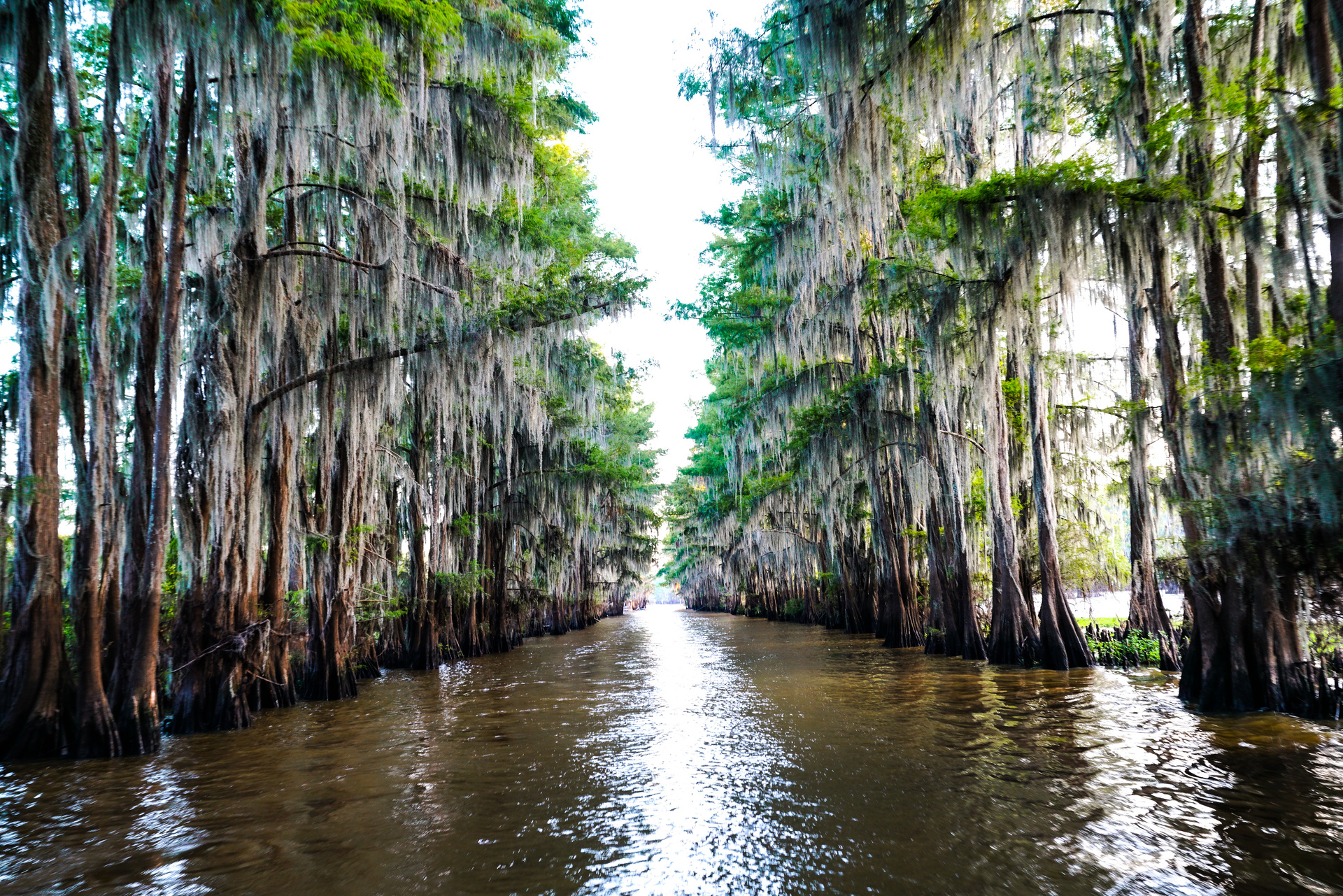
Cypress trees and other wetland vegetation begin producing new growth during spring, adding brighter green color throughout the swamps and marshes. Waterways may also experience changing water levels due to seasonal rainfall patterns and runoff from surrounding regions.
Alligator activity commonly increases during warmer months as reptiles become more active after colder winter conditions. Fish species also become more visible in shallow waters during certain seasonal feeding and spawning cycles. Wildlife movement tends to become more noticeable as temperatures stabilize and daylight hours increase.
Summer introduces additional environmental changes tied closely to heat and humidity. Wetland vegetation reaches peak growth during summer months, creating dense plant coverage throughout many swamp environments. Aquatic plants, grasses, moss, and cypress growth become more pronounced as heat and moisture levels remain elevated.
Summer weather patterns also influence swamp ecosystems significantly. Afternoon thunderstorms, tropical weather systems, and fluctuating water levels can affect both wildlife activity and water conditions throughout the region. High temperatures may influence the behavior of reptiles, birds, and aquatic species as animals adjust activity patterns around heat levels.
Mosquito populations and insect activity also increase substantially during warmer months due to standing water and humidity conditions commonly found throughout Louisiana wetlands. Insects serve as important parts of the food chain within swamp ecosystems, supporting bird populations, amphibians, fish, and other wildlife species.
Fall often brings noticeable visual changes to swamp environments as temperatures gradually cool and vegetation patterns shift. Cypress trees begin changing color, producing shades of orange, rust, and brown throughout many swamp regions. These seasonal color changes create a noticeably different appearance compared to the bright greens associated with spring and summer months.
Water temperatures also begin cooling during fall, affecting fish movement and reptile activity. Bird migration patterns become more noticeable as migratory species move through wetland regions along the Gulf Coast migration corridor. Some wildlife species become easier to observe during fall as vegetation begins thinning in certain areas.
Milton Walker Jr., owner of Louisiana Tour Company in New Orleans, said many visitors are surprised by how much swamp ecosystems change throughout the year.
“Every season creates a different experience in the swamp,” Walker said. “Water conditions, wildlife movement, vegetation, temperatures, and visibility all change throughout the year, so the environment never really looks exactly the same from one season to the next.”
Winter conditions create another major seasonal transition within swamp ecosystems. Cooler temperatures often reduce reptile activity significantly, particularly among alligators and certain aquatic species. Some wildlife becomes less visible during colder periods as animals conserve energy or remain sheltered during lower temperatures.
Leaf loss from cypress and tupelo trees also changes the visual structure of many swamp environments during winter months. Reduced foliage can improve visibility deeper into wooded swamp areas, allowing clearer views of waterways, tree formations, and certain wildlife habitats that may remain hidden during peak vegetation seasons.
Water levels within swamps may fluctuate throughout the year depending on rainfall patterns, river flow conditions, tides, drought periods, and tropical weather systems. Seasonal flooding can influence nutrient distribution, fish movement, and vegetation growth throughout wetland environments.
Wetlands also play important environmental roles beyond wildlife habitat. Swamp ecosystems help absorb excess water during heavy rainfall events, reduce erosion, filter pollutants, and provide protection against storm surge impacts in coastal regions. Seasonal water movement contributes to many of these ecological processes.
Climate conditions across the Gulf South continue influencing long-term changes within wetland ecosystems as well. Coastal erosion, saltwater intrusion, hurricanes, and changing weather patterns may all affect vegetation, water conditions, and wildlife populations throughout Louisiana’s swamps and marshes over time.
Educational tourism surrounding swamp ecosystems has also grown as visitors seek greater understanding of wetland environments, wildlife behavior, and regional ecology. Guided swamp tours frequently focus on seasonal wildlife patterns, environmental education, local history, and the role wetlands play in protecting coastal Louisiana.
Swamp ecosystems remain among the most recognizable natural environments associated with Louisiana culture and geography. While seasonal changes may alter their appearance throughout the year, those fluctuations are part of the natural cycle supporting the biodiversity and environmental functions that continue shaping wetlands across South Louisiana.
Morgan Thomas
Rhino Digital, LLC
+ +1 504-875-5036
email us here
Visit us on social media:
Facebook
Legal Disclaimer:
EIN Presswire provides this news content “as is” without warranty of any kind. We do not accept any responsibility or liability
for the accuracy, content, images, videos, licenses, completeness, legality, or reliability of the information contained in this
article. If you have any complaints or copyright issues related to this article, kindly contact the author above.

Media gallery